Safety and Ventilation Standards Required When Operating Industrial Curing Ovens
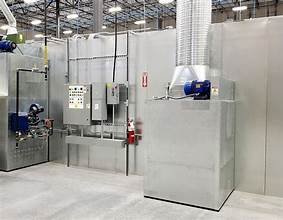
Practical awareness of heat, airflow, and workspace behavior becomes essential once an industrial curing oven enters production. Operators rely on strict safety and ventilation practices to keep fumes, heat, and pressure in check. These standards support consistent curing results while reducing risks that often go unnoticed in busy finishing environments.
Proper Air Exchanges Set to Remove Fumes Before Heat Levels Rise
Air exchange rates determine how quickly fumes are carried away as the oven warms. An industrial curing oven must remove vapors before they accumulate, especially during early ramp-up cycles. This helps coatings set evenly and prevents workers from being exposed to concentrated emissions.
Many facilities tune their air exchange systems according to the size of the oven and the type of product being cured. A paint curing oven, for example, may require more rapid exchanges due to off-gassing from solvents. Matching airflow settings to the thermal curve of the oven protects both the equipment and nearby personnel.
Vent Paths Kept Clear to Prevent Volatile Buildup During Curing
Ventilation paths must stay open, unobstructed, and correctly aligned with the oven’s exhaust outlets. Any blockage can trap vapors as temperatures rise inside industrial curing ovens, creating pockets of volatile air. Maintaining open paths ensures fumes exit as intended.
Teams often walk the vent route to confirm no materials, tools, or coatings interfere with airflow. Even small obstructions can alter how heat and fumes move through the system. Consistent visibility across the entire duct run helps prevent sudden pressure spikes or unwanted ignition risks.
Exhaust Fans Sized Correctly for the Oven’s Thermal Load
Exhaust systems must be strong enough to match the oven’s maximum output. A fan that is undersized allows fumes and heat to linger, disrupting curing cycles and stressing the oven’s internal components. Proper fan selection protects both product quality and operational safety.
Specifying the right fan includes knowing chamber volume, expected temperature range, and solvent type. Each factor affects how much air must be removed per minute. Larger industrial curing ovens often require staged exhaust systems that keep airflow consistent from startup to shutdown.
Fresh Air Inlets Balanced to Maintain Stable Chamber Pressure
Every exhaust system works best when paired with balanced fresh air supply. Air inlets bring in clean replacement air so the chamber doesn’t develop negative pressure. Without an even exchange, the oven can struggle to maintain controlled heat levels and uniform curing.
Balancing these inlets reduces strain on fans and lowers the chance of backdraft. Properly placed intake openings help stabilize flame patterns in gas-fired models and support even curing across the entire load. Pressure stability becomes especially important with large batches or oversized parts.
Routine Checks Ensuring Ducts Stay Free of Residue and Debris
Air ducts naturally collect residue from coatings and solvents over time. This buildup can restrict airflow or ignite under high heat, which is why regular inspection is required. Facilities that rely on a paint curing oven often schedule follow-up cleanings more frequently due to solvent-heavy materials.
Technicians typically measure airflow at different points along the duct to detect hidden blockages. Any drop in velocity may signal residue buildup that needs removal. Keeping ducts clear preserves ventilation performance and ensures the oven continues operating at its intended capacity.
Sensors Installed to Detect Unsafe Temperature or Airflow Shifts
Modern ovens use sensors to track temperature, airflow, and sometimes solvent concentration. These devices alert operators to irregularities that may indicate mechanical strain or unsafe curing conditions. Early detection prevents larger issues that could disrupt production.
Some systems tie sensors to automatic shutdown features. This prevents overheating or airflow collapse from escalating into equipment failure. Industrial curing ovens with integrated monitoring provide more consistent curing results and support long-term reliability.
Fire-rated Materials Used Around High-heat Operating Zones
Surrounding structures must be equipped to handle the heat that radiates from curing equipment. Fire-rated insulation, panels, and wall materials reduce the chance of accidental combustion near the oven exterior. This becomes especially important for high-output units operating for extended hours.
Facilities often add reinforced flooring or heat-resistant barriers around load doors. This prevents hot materials or components from damaging the immediate area. Fire-safe construction improves workplace protection without interfering with day-to-day use of the oven.
Operator Spacing Maintained to Avoid Contact with Hot Surfaces
Clear spacing keeps operators away from surfaces that can remain hot long after a cycle ends. Marked walk zones and perimeter barriers reduce accidental contact, especially during unloading. Workers benefit from visible spacing cues that remind them of heat boundaries. Heat retention depends on oven size, insulation grade, and cycle length. Larger industrial curing ovens may need extended cooldown periods or physical standoffs to maintain safe distances.